Best Piano Keyboards of 2026
Our top picks across all categories, chosen after extensive testing and comparison. These keyboards deliver the best value, playability, and features at their price points.
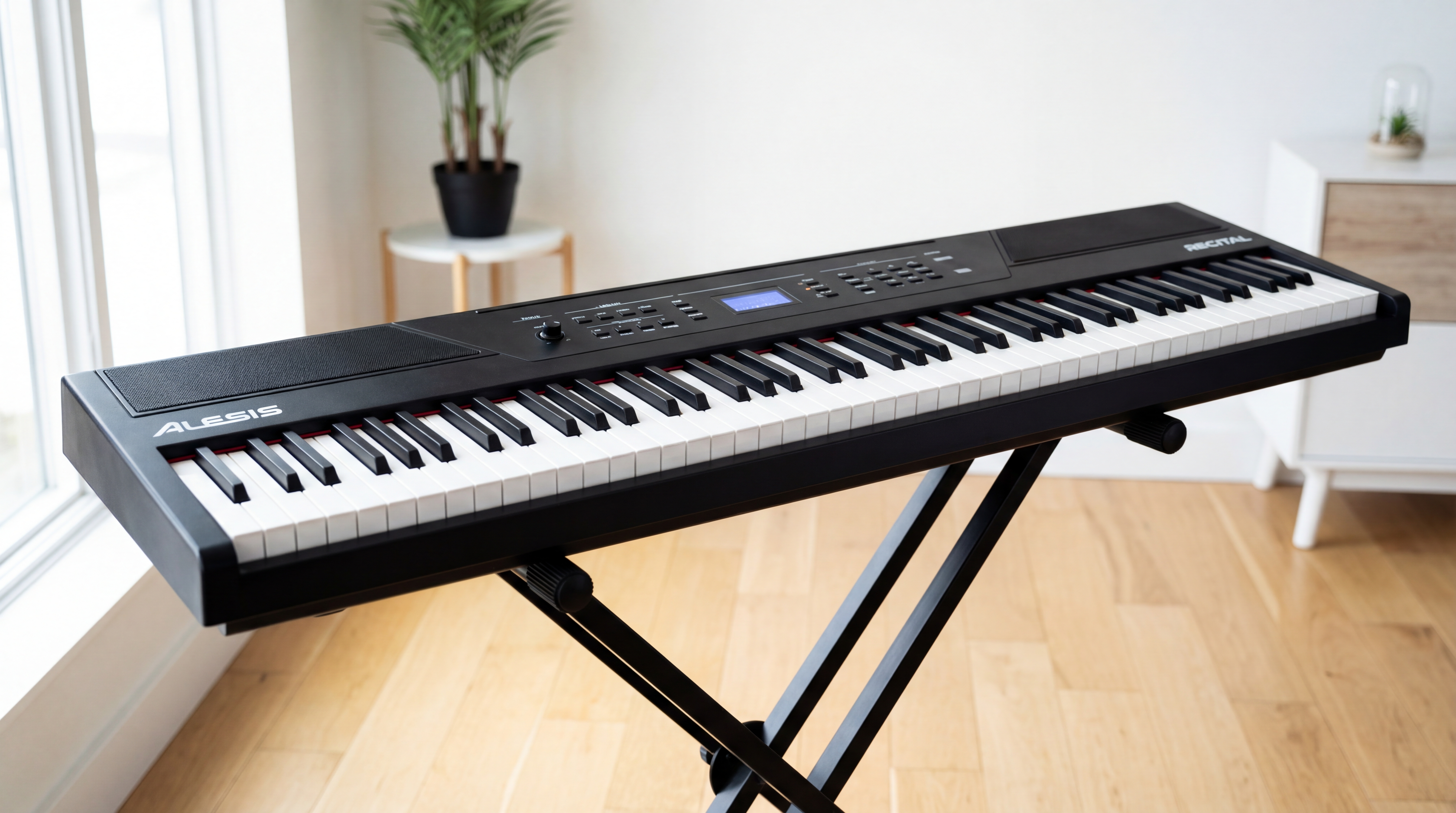
Alesis Recital
The Alesis Recital is our top recommendation for absolute beginners. It offers full-size, semi-weighted keys that feel far better than anything else at this price, plus built-in lessons and solid sound quality.
- 88 full-size semi-weighted keys with adjustable touch sensitivity
- 5 realistic voices + 20W speakers with surprising depth
- Built-in lesson mode that splits the keyboard for teaching
- Includes sustain pedal and 3-month Skoove premium access
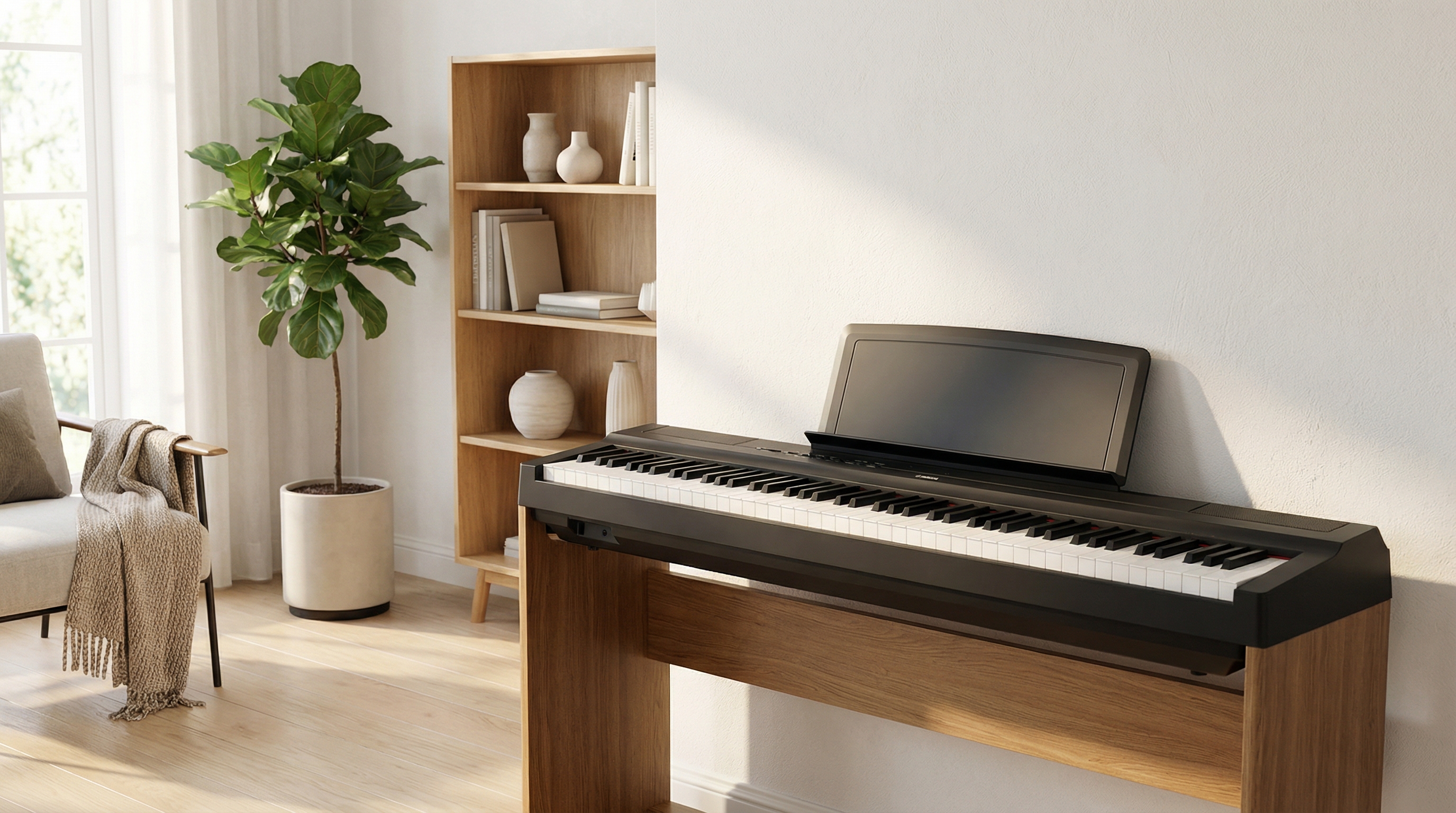
Yamaha P-125
Yamaha's best-selling portable has earned its reputation. The Pure CF Sound Engine samples their $200,000 CFX concert grand, while the GHS action provides authentic weighted response that builds proper technique.
- Yamaha's flagship CFX concert grand sampling
- Graded Hammer Standard weighted keys (heavier bass, lighter treble)
- 192-note polyphony handles complex pieces without dropout
- Smart Pianist app integration for chord analysis and learning

Yamaha P-515
This is Yamaha's statement piece—featuring actual NWX (Natural Wood X) wooden keys with synthetic ivory surfaces throughout all 88 notes. Sound-wise, you get samples from both Yamaha's CFX and Bösendorfer Imperial concert grands plus binaural recording for the most immersive headphone experience available.
- NWX Natural Wood keys with synthetic ivory (real wood throughout)
- Dual concert grand sampling: Yamaha CFX + Bösendorfer Imperial
- Binaural sampling puts you inside the piano through headphones
- 30W + 30W dual-speaker system with dedicated tweeters